

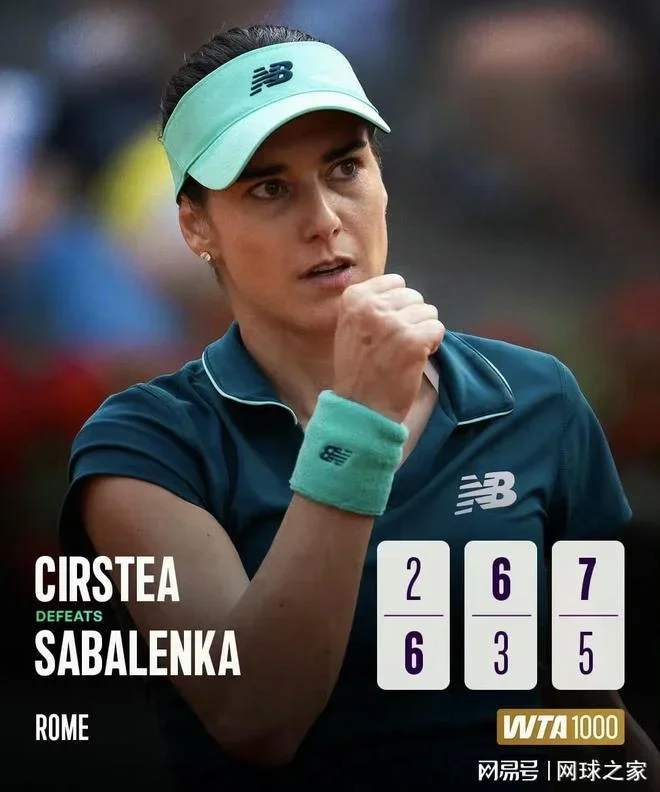
On May 10, the WTA 1000 Rome Masters third round witnessed a stunning upset: world No.1 Aryna Sabalenka, after cruising through the first set 6-2 and leading 2-0 in the second, was dramatically overturned by 36-year-old Romanian veteran Sorana Cirstea 2-6, 6-3, 7-5. It was the first career defeat for Sabalenka against Cirstea, ending her run in the round of 16.
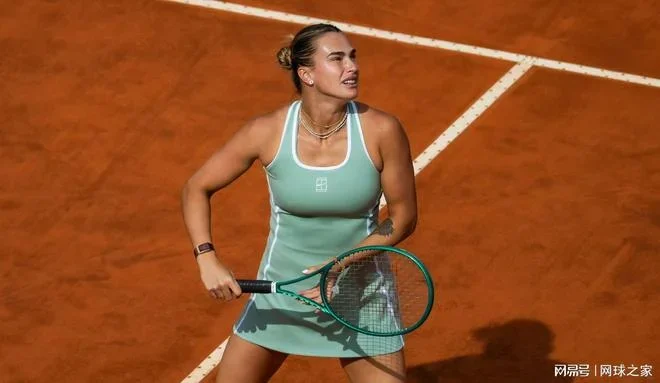
This loss is not only Sabalenka’s third defeat of the season but also a bitter memory for her in Rome—she has never won this prestigious clay-court event in her last seven appearances, with her best result being a runner-up finish in 2024.
The match began as expected for the world No.1. Sabalenka’s trademark powerful shots overwhelmed Cirstea, taking the first set 6-2. In the second set, the Belarusian continued her dominance, breaking early to go up 2-0. However, the turning point came unexpectedly.
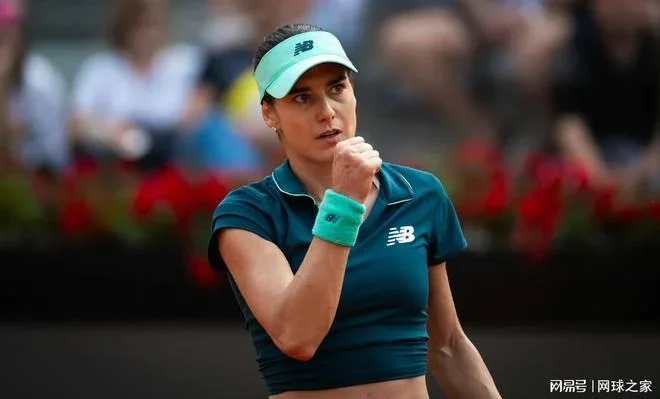
Cirstea found her rhythm, using her veteran experience to patiently defend from the baseline and seize every opportunity for aggressive winners. Her tactical adjustment paid off as she leveled the match by taking the second set, forcing a decider.
The final set was fiercely contested. Trailing 3-4, Sabalenka called for a medical timeout. Although the exact nature of the injury was not disclosed, she later revealed discomfort in her lower back and hip, which hampered her movement and rotation. Showing grit, she broke Cirstea’s first service game for the match. However, the experienced Romanian held her nerve, securing a 7-5 victory after 2 hours and 15 minutes.
For Cirstea, this win transcends a regular tour victory. At 36, she becomes the oldest player to defeat a reigning world No.1 in WTA history, etching her name into the record books. Even more remarkable, this is her first career win over a top-ranked player—she had previously beaten 24 top-10 opponents but never the world No.1. Having announced her retirement at the end of the season, Cirstea has compiled an impressive 23-7 record in 2026, ranking 14th in the championship points race. Before the match, she hinted: “If I can win in Rome, I’ll reconsider my retirement plans.” That statement now seems like a bold declaration of ambition.
More concerning than the loss is Sabalenka’s physical condition. She admitted after the match: “I didn’t play well; I felt limited physically. My lower back and hip were bothering me, making it hard to rotate and generate power.” This raises doubts about her fitness ahead of the French Open later this month, a tournament that demands peak physical condition and mobility. Sabalenka’s clay-court season has been inconsistent: in Madrid, she squandered six match points in a shocking loss, and now Rome ends in an early exit. If her injury issues persist, her quest for a maiden French Open title faces serious challenges.
With Sabalenka’s third-round exit, she loses the points from last year’s quarterfinal run, dropping her live ranking points to 9,960. While she remains No.1, the gap to second-placed Elena Rybakina is just 1,405 points. If Rybakina goes on to win the Rome title, the gap could shrink to just 470 points, putting the world No.1 spot in jeopardy.
Despite the setback, Sabalenka showed maturity in her post-match comments: “My opponent played at an incredibly high level and gave me almost no opportunities. This loss hurts, but we never truly lose; we learn and grow. I’ll take some time to rest, focus on recovery, and fully prepare for the French Open.”
Sabalenka wasn’t the only top seed to fall on this dramatic day. Defending champion Jasmine Paolini and China’s No.1 Zheng Qinwen also suffered third-round upsets, making it a day of three massive shocks in Rome, highlighting the unpredictable nature of the historic tournament.
As for Cirstea, her journey continues. She will face 13th seed Linda Noskova in the round of 16. If she maintains this form, the veteran has every chance to push deeper into the draw, writing a fitting final chapter to her career.
