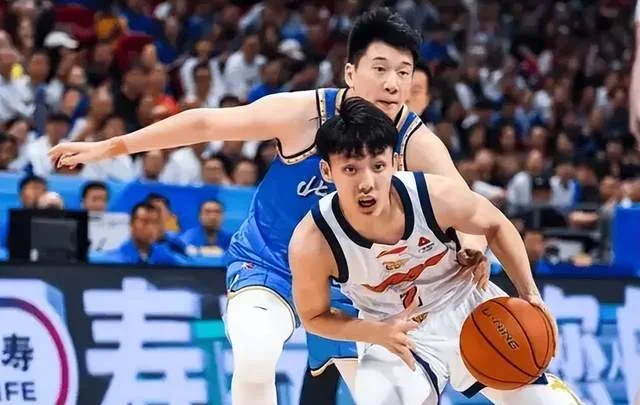

On May 12, Guangdong Men’s Basketball suffered a 73-88 defeat to Beijing Shougang in Game 3 of the CBA playoffs quarterfinals, ending their season in the round of eight. Though Guangdong briefly led after the first quarter, their offensive and defensive systems collapsed starting in the second period, and they never recovered. The loss was not an accident—it exposed deep weaknesses in key players during a must-win game.
Point guard Xu Jie, the team’s primary ball-handler, completely lost his rhythm over the last two games. His offensive efficiency plummeted: he lacked penetration off the dribble, missed mid-range and three-point shots consistently, and—most damaging—he could not contain the opposing guards on defense, allowing easy drives to the basket. His playmaking also deteriorated, with increased passing turnovers and poor tempo control, forcing the entire offense into isolation plays. When the engine stalls, the whole machine breaks down.
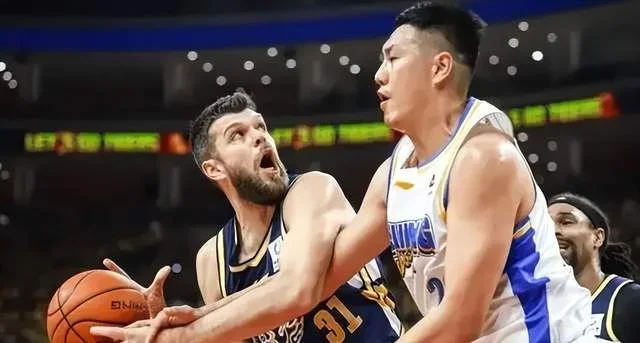
The interior duo of Laco and Sullinger was equally disappointing. The much-anticipated “twin-tower” lineup was rendered ineffective by Zhou Qi’s presence. Sullinger tried to post up but was repeatedly blocked by Zhou’s length and defensive coverage, making just 1 of 6 field goals and shooting a mere 16.7% from beyond the arc. Laco showed clear weaknesses: lack of physicality, passive rebounding, and minimal defensive presence. He hit only 3 of 8 shots and contributed little beyond occasional help defense. Together, the pair scored fewer than 20 points while consuming significant tactical resources, becoming the weak point Beijing repeatedly attacked.
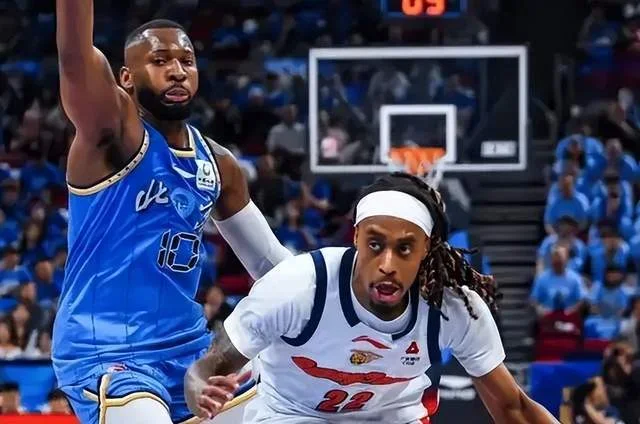
Guard McCall’s performance made matters worse. He shot just 5 of 13 (under 40%) yet still dominated the ball. Worse, his poor court vision and decision-making led to frequent isolation plays that slowed the attack and disrupted teammate movement. Instead of energizing the offense, he acted as a brake, making an already struggling unit even more stagnant.
The collective meltdown of these four players cost Guangdong its rhythm and confidence after the first quarter. When key players cannot execute under pressure, the inside game disappears, and imports become liabilities, the entire system crumbles like sand. This defeat is not just a scoreline—it is a failure of roster construction and tactical fit. If head coach Du Feng stays on, deciding whether to move on from these four during the offseason is no longer optional; it is the fundamental question on which the team’s future rebuild depends.